Choosing between a digital and an acoustic piano is not a contest with one universal winner. The right instrument depends on where it will be used, how it will be played, and what matters most to the pianist. In the video above, Evan Roberts responds to the common claim that digital pianos are simply “better” because they require less maintenance and accept headphones. Those conveniences are real, but they are only part of the decision.
Where digital pianos make excellent sense
A digital piano can be the practical choice in an apartment, retirement community, church band, school rehearsal room, or any setting where volume control matters. Headphones allow private practice. A direct audio output makes amplification and recording easier, and the instrument stays at concert pitch without regular tuning.
For live worship or band use, a digital piano also fits naturally into a sound system. The engineer can control the level without microphones, and the sound remains predictable from one service to the next. If an acoustic piano would be left in a room with inconsistent climate control, the digital instrument may also be the more durable operational choice.
Why acoustic pianos still feel different
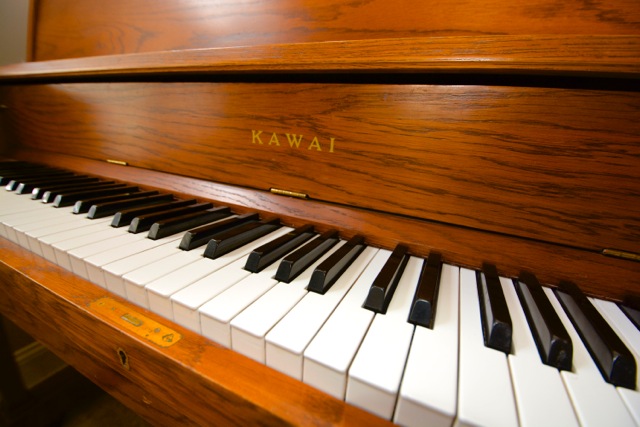
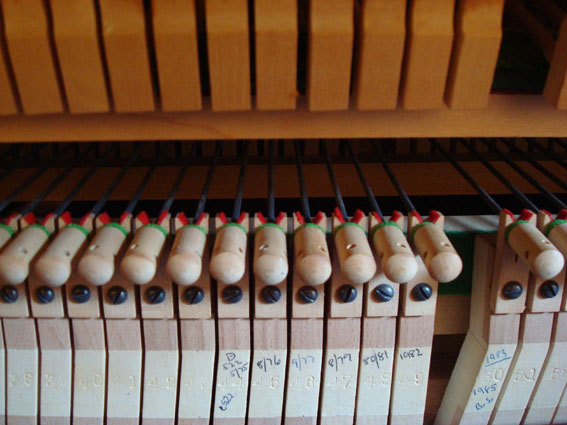
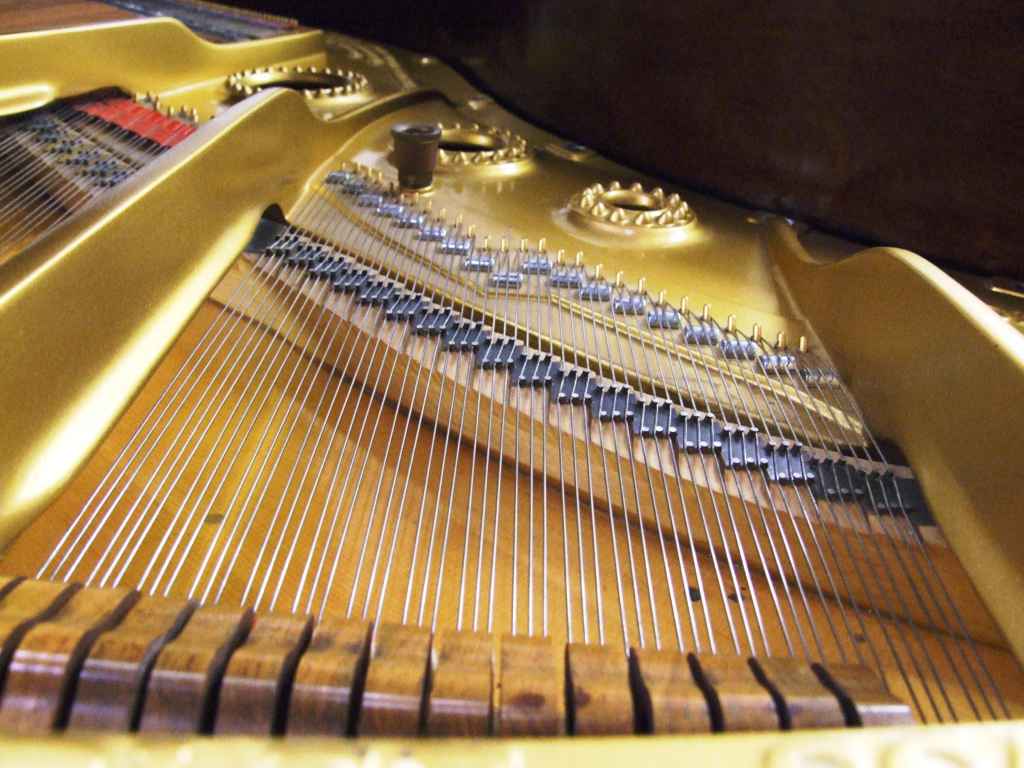
An acoustic piano creates sound through strings, hammers, a soundboard, and the air in the room. The player feels that physical response through the keys and cabinet. Each instrument has its own combination of touch, resonance, tone, materials, and history. Two acoustic pianos of the same model can still develop distinct personalities.
That individuality is especially valuable for focused practice, composing, and quiet playing at home. Many musicians find that ideas arrive differently when the room itself responds to the instrument. A digital sample can be very polished, but it does not reproduce every interaction between hammer, string, pedal, soundboard, and touch.
Maintenance is more nuanced than it appears
Acoustic pianos need tuning and occasional regulation or voicing. That maintenance is visible and should be included in the budget. A well-made acoustic piano, however, can remain serviceable for decades and many mechanical parts can be repaired or replaced.
Digital pianos avoid tuning, but they are still electronic products. Key sensors, circuit boards, displays, amplifiers, and proprietary components can fail. Parts for an older model may become unavailable, and not every technician services digital instruments. Lower maintenance does not always mean unlimited useful life.
Compare the real priorities
- Choose digital when headphones, portability, direct amplification, or a predictable stage sound are essential.
- Choose acoustic when touch, tonal color, long-term repairability, and an inspiring room sound matter most.
- Consider both when performance and home practice have different needs.
Before deciding, play several instruments rather than comparing specifications alone. Listen at soft volume, test the pedals, repeat notes, and notice whether the touch encourages control. If you are considering a used acoustic piano, have an independent technician inspect it before purchase.
The best piano is the one that supports your music
A church stage, apartment, teaching studio, and family living room do not have identical requirements. Start with the setting and the player, then choose the technology. You can view our available acoustic pianos, read more piano advice, or ask Roberts Pianos Houston for help comparing realistic options.
Evan Roberts
Owner of Roberts Pianos Houston and connected to Roberts Pianos Houston Oxford. 4th generation in the piano trade with a BA and MMus in Music. Passionate about preserving the rich history of piano manufacturing and sharing insights with music enthusiasts worldwide.